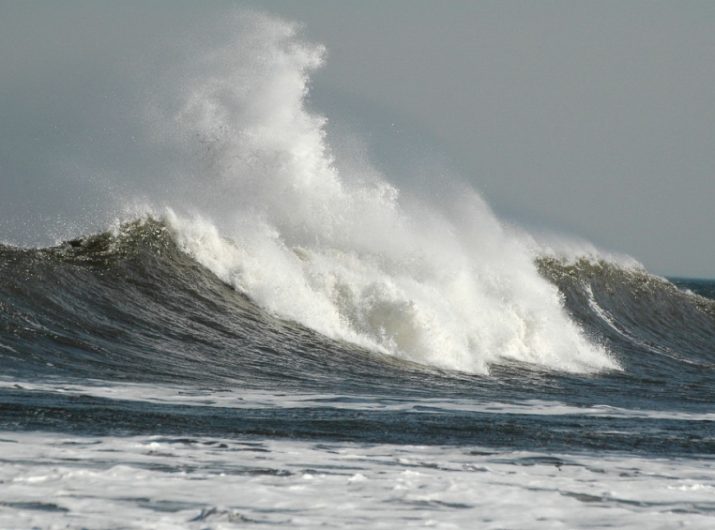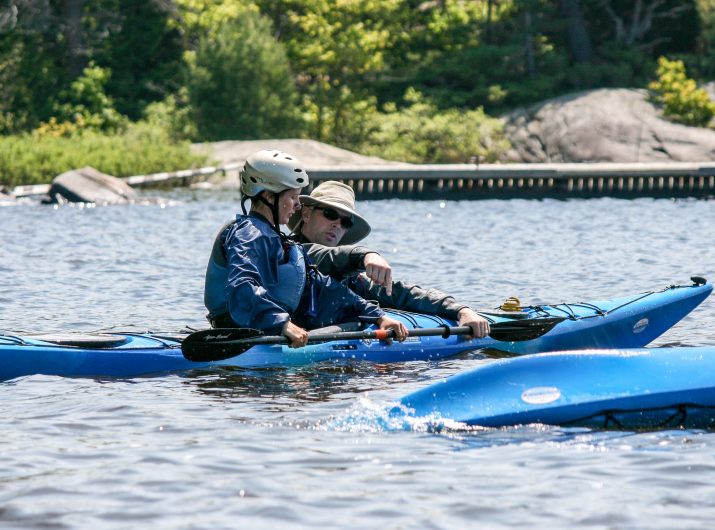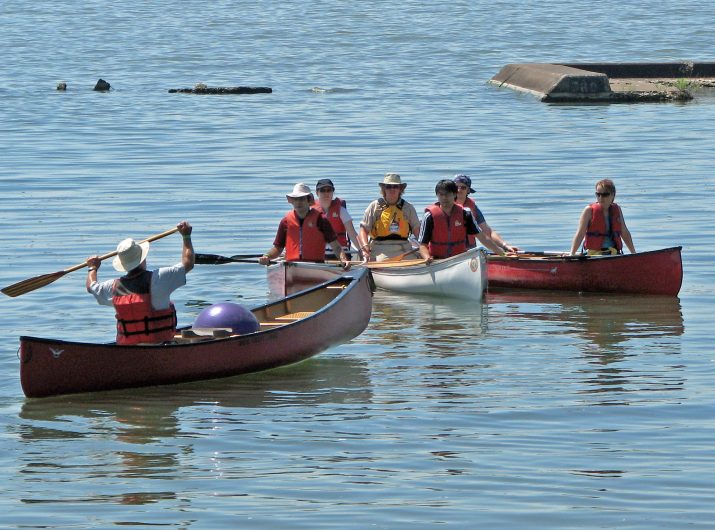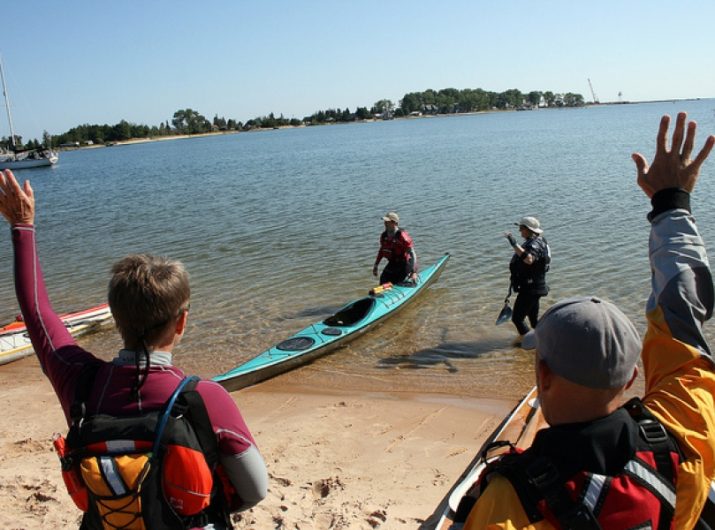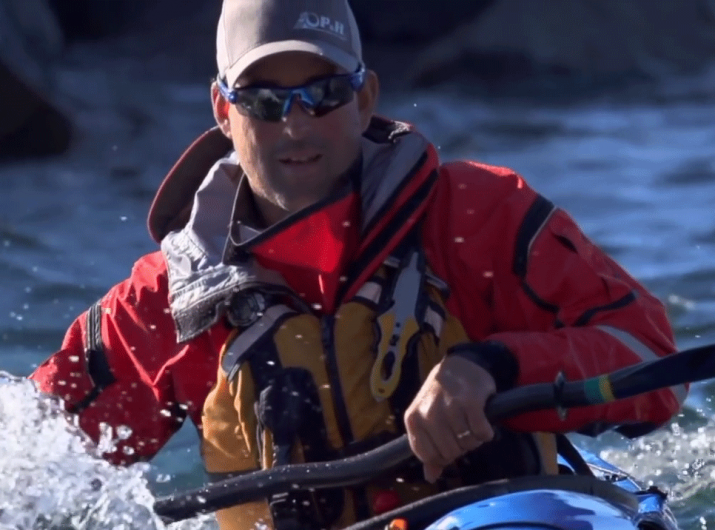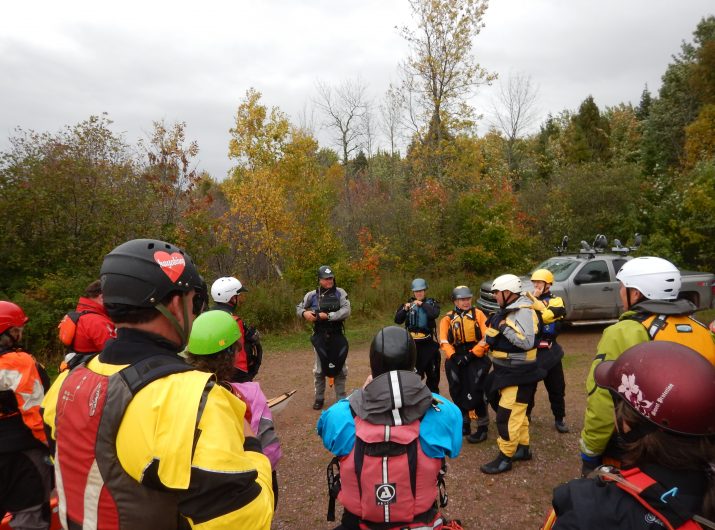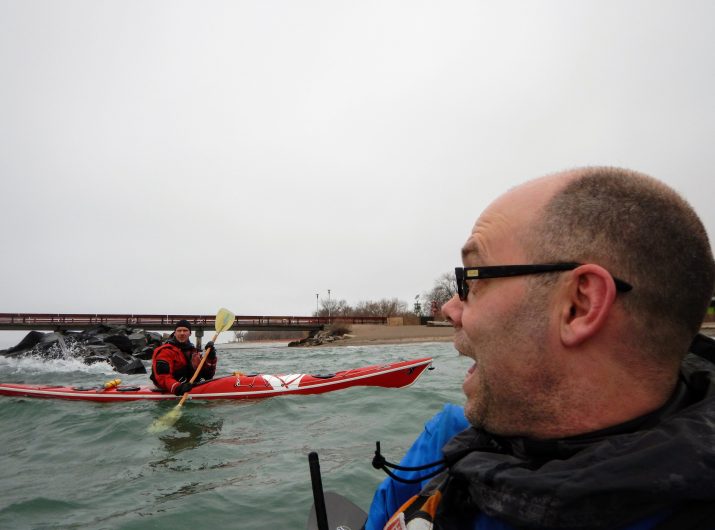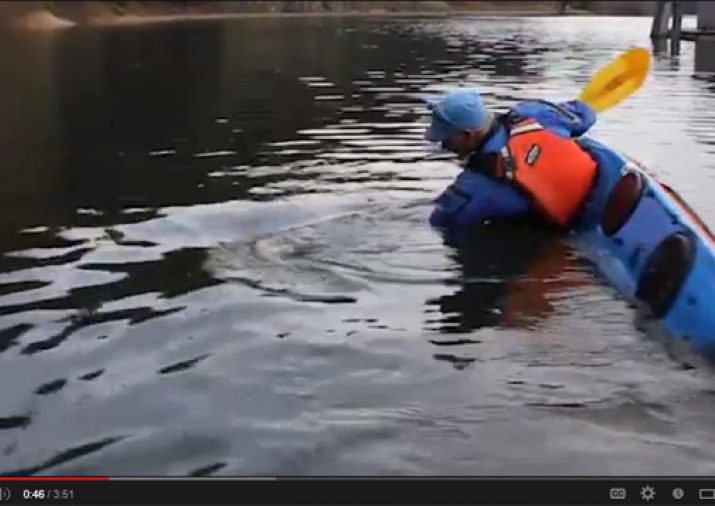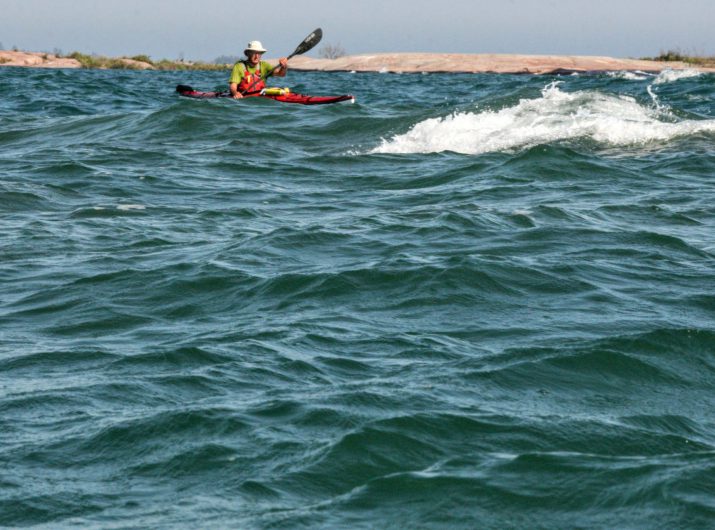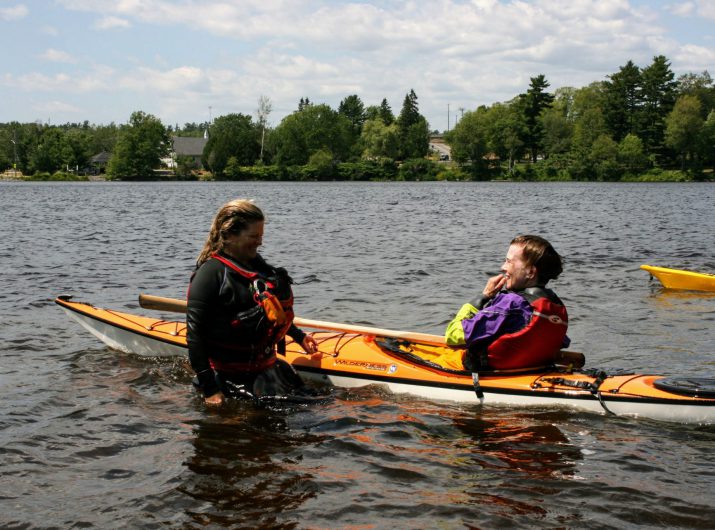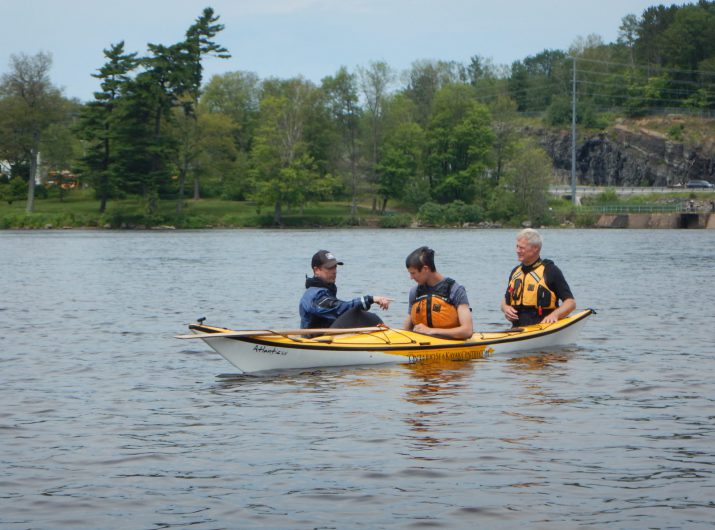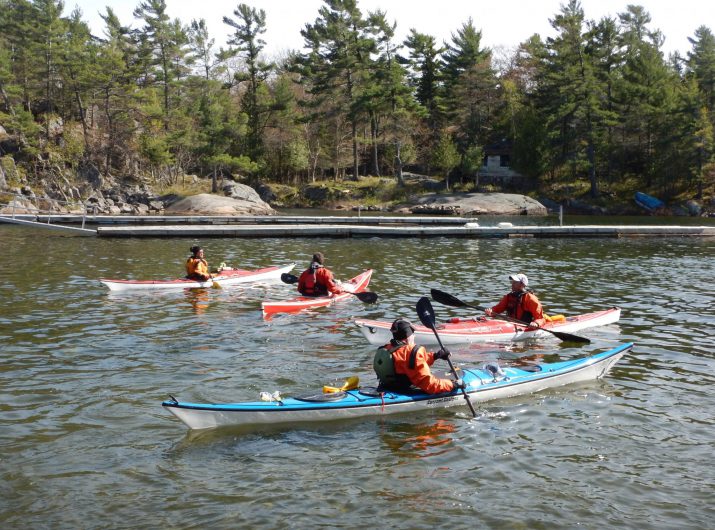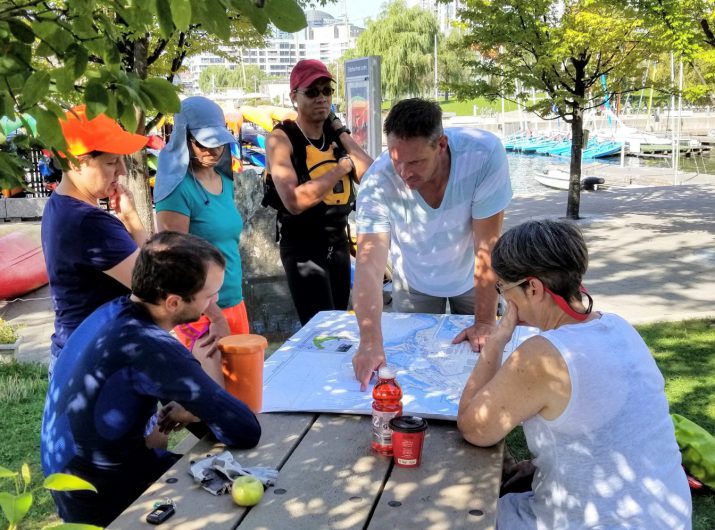
There is a new rough-water sea kayaking symposium taking place this coming September in the Maritimes that you should plan to attend. The Bay of Fundy Sea Kayak Symposium will be a 3-day paddling event that combines world class coaching with paddlers in one of the most spectacular coastal setting in eastern North America, The Bay of Fundy.

Bay of Fundy Sea Kayak Symposium Logo

I just got an email from one of the event organizers, Christopher Lockyer who mentioned that they are looking for coaches for the event. If you are interested in teaching you should apply [pdf link]. The application deadline is February 1, 2013.

Check out their website for more info.

Top photo credit: BOFSKS

Published in Events
Tuesday, 12 June 2012 11:16

2012 MEC Toronto Paddlefest Round-up

This past weekend was the annual MEC Toronto Paddlefest and once again it was a hugely successful event with over 618 people pre-registered and approximately 120 people walking in and registering on the spot. That doesn’t include the 60 or so instructors, boat helpers and staff running around keeping the machine running smooth. With those numbers, it’s easily one of the biggest events of its kind in North America.

This year I had the pleasure to teach a bit on the water but to also teach a bunch of on-land sessions including weather, navigation and technology in the wilderness. Over the years I have taught lots of symposium kayak sessions so it’s sometimes a nice change for me to get out and stand on dry-land every once in a while.

Rolling Lesson

This was the first time that I was asked to run a session on technology in the wilderness and they wanted me to talk about personal locator beacons as well as more recreational focused devices like the SPOT or the Delorme inReach. I decided to expand the session topic a bit and try to put this technology in a bit more context by also exploring the Canadian Search and Rescue (SAR) system and explain to people how that monster works and what exactly happens when you hit that SOS button or activate your PLB. It made it a bit more interesting then just listening to a sales pitch about gear as you could get that by going to your local store and talking to the sales lady.

Of course teaching and running clinics are fun; but for me the real attraction of the weekend is hanging out with the other instructors who come into Toronto for the event. This year we had a bunch of out-of-towners including my podcast partner-in-crime, Kelly Blades, Michael Pardy, Sharon and Alec Bloyd-Peshkin, Paul Mason as well as my local Ontario friends who are always supportive and make their way south to Toronto.

Kids Canoeing

Special thanks for Mountain Equipment Co-Op for putting on the event once again.

Here is a mini slideshow of some of the photos I took over the weekend:

Published in Events
Thursday, 26 January 2012 11:51

Vancouver Island Paddlefest Announces Closure

Vancouver Island Paddlefest Website

I just heard the news that Vancouver Island Paddlefest has decided to take a year off from their long running event.

Here is part of the statement from their website:

The Vancouver Island Paddlefest Society will not be hosting a Paddlefest Event in 2012. The Society will use this hiatus to develop a strategic plan to potentially continue with a new mandate.

The Society recognizes the paddlesport industry has evolved greatly over the past 14 years and it is time to look at re-structuring the volunteer/business model to develop a new mandate which will accommodate the needs of the public as well as the contributing partners.

This isn’t the first long running paddling symposiums to shut down on the West Coast over the past couple of years. Back in 2010 the West Coast Sea Kayak Symposium also closed up after 26 years.

Hopefully Paddlefest will return in 2013.

Thanks to @kayakyak for the heads up.

Published in Industry Stuff

Surf Clinic Beach Talk

An incident happened recently at the latest Lumpy Waters Sea Kayaking Symposium in Pacific City, Oregon. You can read the very detailed first person account by one of the session leaders, Mark Whitaker here. Lumpy Waters is one of an increasing number of intermediate to advanced sea kayaking training events sprouting up all over the country. Participants are hungry for this type of training event where they can work on their skills in wind, wave and current with great talented coaches. With this type of event comes the potential for greater exposure to risk and incident.  


View Larger Map

The incident at the Lumpy Water event took place during a sea kayak surfing clinic at Netart’s Bay in Oregon. Out of 4 instructors and 12 students (16 total kayakers) nine people ended up swimming in an ebb tide near a swift river mouth. There were larger then expected waves due to the tide and river conditions compiled with the larger than anticipated swell from the open ocean. Gear and boats were pulled out to sea. These conditions resulted in multiple local rescue services being involved in the retrieval of one member of the class.

Determining the cause of any incident can be tricky. That’s because there are always lots of pieces to the puzzle making it difficult to find the smoking gun. In this case it looks like communication, the need, or feeling to rush to get the session started, and lack of local knowledge were some (but not all) of contributing factors in this case.

The incident at the Lumpy Waters Symposium reminded me of three other incidents that have happened over the past couple of years (thankfully nothing big) and got me thinking about risk management and organization specifically at symposiums.

I feel that that when it comes to risk management, organizers and instructors at symposiums sometimes treat it differently than if they were teaching courses on their own. For example, when preparing for a course, the instructor(s) will spend a lot of time making sure every element of the day is planned. Everything from teaching locations, lesson plans, participant’s medical information, to risk management, are all carefully organized.

On the other hand, symposiums are sometimes quite different in a couple different ways. Showing up at these events I have often been paired up with instructors whom I met for the first time 10 minutes before with a quick conversation that starts with, “What do you want to do?” Instructors might also be out of town guests with very little local knowledge of the area. Finally, I rarely know if my participants have any medical conditions as I never get to see medical forms as I would usually during registration of a course.

Normally, those issues haven’t mattered much because within the last 30 years, symposiums have taken place on sheltered water. These training events aimed specifically to teach beginner or budding intermediate paddlers. If you are only playing around on the local pond teaching beginners, do you really need a lesson plan or an extensive risk management plan for one hour clinics? They are good to have, but the consequences are really not very high.

Symposiums across North America and the UK have changed considerably over the past 4-5 years. For the first time, organized events are targeting intermediate/advanced paddlers with a strong focus on rough water paddling. My concern is that some organizers (and some instructors) are still thinking and planning out logistics as if the participants were still introductory level paddlers on the back pond in calm conditions.

With that in mind, here are a couple of ideas planners might want to consider when organizing an event that includes rough water or conditions with medium-high consequences for participants. They are in no particular order:

Local Knowledge is Key
Local knowledge is super critical when dealing with any type of current, surf zone or point break. When planning your locations, talk to somebody who can give you honest advice of the best places to go for intermediate paddlers. If the wind isn’t blowing in the right direction where do you go next?

Breaking for Lunch

Get Phone Numbers
If your event has a remote meeting location, make sure that instructors can reach anybody who is driving by cell phone. That way if students don’t show up or the meeting location changes then everybody can still be reached.

Logistically, cell phone numbers are easy information to acquire if you work it into your registration process. Just make sure you add it to the session participant list for the instructors benefit.

At the Lumpy Waters Symposium it’s mentioned that once everybody took off in their cars, it was next to impossible to change locations as they were not able to reach some people.

Slow Things Down
The start of a symposium clinic always feels like a runaway train. Everybody races down the road to the meeting location, grabs their gear and runs straight to the water. You would never do that on a course or with your buddies so why do symposiums always have that rushed feeling? It’s understandable to want to give participant’s their money’s worth. We often want to give everyone an unforgettable day on the water. But what participants are also paying for is someone who understands the risks and plans accordingly, don’t be rushed into skipping that key insight.

Slow things down and make sure everybody (both staff and students) are all on the same page. Everybody have their gear? What about first aid and rescue options? It all needs to be discussed.

If you are responsible for the event schedule, consider extending the session length. That will leave plenty of breathing room for your staff. It also has the added benefit that if you had to change locations due to an unforeseen reason, you still have time to put on a decent clinic after the switch.

Also, if participants are driving to a location, make sure you plan enough time to actually get there. Remember that if it takes 20 minutes for you to drive there, it takes 40 minutes for strangers to first get lost, then finally arrive.

Get Instructors to Meet
When organizing, figure out some type of way to get instructors to meet either online before the event or at the very start of the symposium. Encourage them to work out lesson plans and safety equipment before the symposium starts. It will make a difference on the water for sure.

The lack of developing a solid lesson plan for the clinic is probably the most common mistake I see at symposiums. I’m not completely sure why but it might because it’s often a group of strangers teaching together for the first time and nobody wants to be the heavy handed one demanding that they follow their plan only.

The thing to remember is that you might be the superstar flown in to teach a clinic and you have taught it a hundred times before. That doesn’t mean that the rest of your team have. You need to make sure that everybody is on the same page and knows exactly what is going on. This will allow them to provide suggestions and changes based on local conditions or participant needs.

Beach Launch

Take time to observe the conditions from shore
Before anyone unstraps a boat from the car, and suits up tell everyone to walk down to the beach observe the conditions, then come back to tell you something they noticed about the environment. Do a bit of guided discovery around this activity. How high were the waves? Were there any rip currents at the beach? What was the tide doing? Is there a larger than normal set that comes in at unusual intervals? Make that part of your risk assessment before leaving shore.

Observe participants while getting ready.
Do they seem capable? Do they seem rushed or nervous?

Ask yourself, “does it look like any participants underestimated the risks or overestimated their skills?”

Start small and do a warm up exercise
Don’t introduce the students to a risky environment all at once if possible. Warm them up on flat water and then introduce them to more and more challenging water, and see where shit breaks.

Risk Assessment, Risk Assessment, Risk Assessment,
Continue to do this each time the difficulty ratchets up a notch.

Continue to communicate with participants and fellow instructors about the conditions, and how everyone is coping. If it is too much, you have to retreat and regroup.


- Special thanks to Keith Wikle and Conor Mihell for their help putting this article together.

Published in General News

The Hurry up and Wait Game

I just got back from teaching at the Atlantic Paddling Symposium in Newfoundland this past weekend and had an absolute blast. If you didn’t go then you really should consider getting your butt off to the Atlantic Provinces next year and participate.

Published in Events

Atlantic Paddle Symposium Swift Water Rescue Clinic. Photo Credit: Wayne F.

Atlantic Paddle Symposium Beach Clinic. Photo Credit: Don U.

Atlantic Paddle Symposium LogoIf you are mapping out your 2011 canoe & kayak symposium schedule don’t forget to leave room for the Atlantic Paddle Symposium which just opened up registration. It takes place this year in Terra Nova National Park in Newfoundland, Canada May 20-23, 2011.

This is the fourth year for the Atlantic Paddle Symposium which has turned into a highly successful event over the years as it’s moved around the Canadian east coast. Generally speaking; its similar to other symposiums with a variety of clinics for all types of paddlers including canoeing, whitewater kayaking, sea kayaking and stand-up paddling. The biggest different with this over others is that it takes place in that paddling dream destination, Newfoundland.

I’m pretty excited to be on the guest coach list and I’m joining an awesome group of names who I have looked up to for many years including Mark Scriver from Ottawa, Maligiaq Padilla from Greenland, fellow P&H Team Paddler Christopher Lockyer and Brenna Kelly who also a member of the Canadian whitewater freestyle team. The list is to long to mention everybody, way to long.

If you are thinking of attending why not turn it into a learning vacation by participating in one of the several courses/trips planned around the symposium. If I had the vacation dates available I would jump on the six-day Bay of Exploits Expedition in a heartbeat. Icebergs, rocks, Newfoundland. What else is needed to sell it? Nothing else.

More info: atlanticpaddlesymposium.com

Top photo credit: Wayne F.
Bottom photo credit: Don U.

Published in Events

National Sea Kayak Symposium 2010

This was turning out to be a pretty decent day but then it took a turn for the worse when I got news that Rapid Media has decided to stop running their extremely popular Palmer Fest/National Sea Kayak Symposium festivals that take place in the Ottawa Valley each May.

If you haven’t heard about it do not read a past write-up on it I did as you will quickly be as bummed out as I am. For me, it has always been one of the best events to both attend and teach at each year.

Why is it stopping you ask? Simple, the event runs at a loss and the three months of full-time work to put together is difficult to justify each year. Even though the event sells out each year, there is limited capacity at the site so it isn’t a matter of just increasing the numbers. You can find out the more detailed on the press release they sent out.

Here are my top 3 reasons why I loved Palmer Fest over many others:

Published in Events

Kokatat LogoAn international community of paddlers are gathering in Seattle, Wash. this week to celebrate the first annual Greenland Week, hosted by the Kayak Academy. Kokatat, the 39 year-old independent paddlewear company, is honored to support this event that is inspired by the cultural heritage of kayaking.
 
In 1985, the country of Greenland launched the Greenland National Qajaq Championships. The event was designed to spur a growing interest and knowledge of the kayaking culture to the younger generations of the native Inuit. Over the decades, the event has matured into the world’s premier traditional kayaking competition. To carry-on the event’s enthusiasm, Kayak Academy is proud to offer a U.S. located competition.

 
Published in Press Releases

Ontario Greenland Camp. Photo Credit: Christa Schlosser

From what I hear the Ontario Greenland Camp was a smashing success. They had a sell-out crowd descend on Camp Tamarack just outside Bracebridge, Ontario.

The event had a real powerhouse of mentors which included Cheri Perry, Turner Wilson, Adam Hansen and Heather Lamon. On top of that they also had several local stick-heads including Dympna Hayes and James Roberts (who organized the whole thing via their business, learntokayak.ca), Kelly McDowell, President of The Complete Paddler and Paul Renaud (an instructor at Harbourfront Canoe & Kayak Centre).

Published in Events

Canadian Professional Paddlers Conference Logo

Just a quick reminder that the Canadian Professional Paddling Conference is taking place September 24th to 26th in Minden, Ontario. The date is approaching quickly so if you haven’t registered yet then it’s time to get on it ASAP.

Published in Events
Page 1 of 2

Get our Newsletter


Find Us on Facebook

Solo Stove Ad

About Me

David standing on a boat. Photo credit: BirgitDavid H. Johnston
Toronto, Ontario, Canada
View my complete profile

"Bring a compass, it's awkward when you have to eat your friends."

Strategic Partner

Paddle Canada Logo

P&H  Logo Werner Paddles Kokatat Logo North Water Aquapac Logo Seals Logo